Wheat pennies feel approachable. They are small, historic, and widely available. That mix pulls in new collectors fast—and exposes them to the most common buying traps in U.S. numismatics. From 1909 to 1958, the Lincoln Wheat cent series produced billions of coins. Only a thin slice carries lasting premium value. The rest are easy to overpay for.
The danger is not counterfeit coins alone. It is a misjudged condition, exaggerated rarity, and poor buying discipline. Sellers rely on emotion and incomplete knowledge. Smart buyers rely on verification of every possibly valuable Lincoln wheat penny.
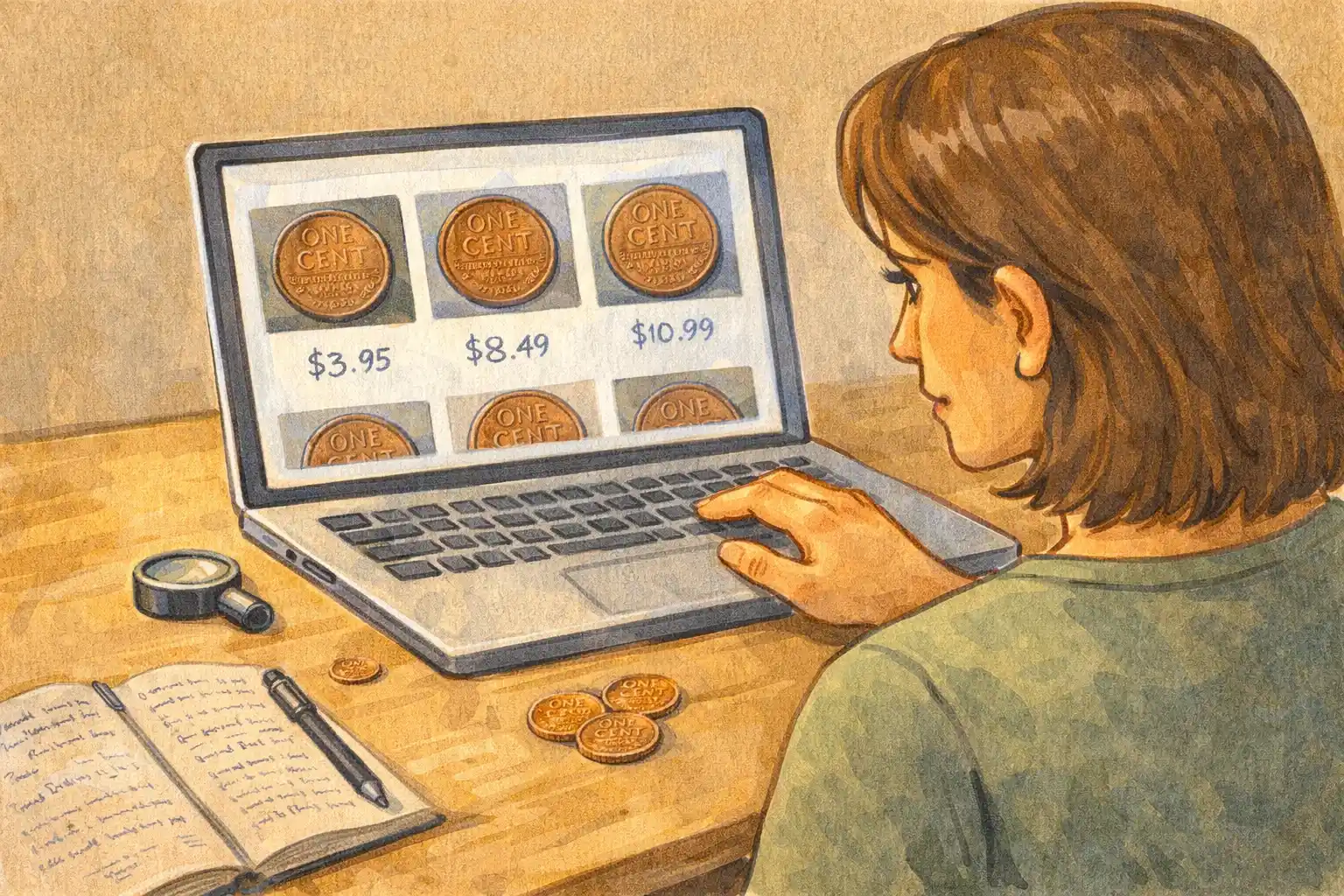
Trap #1: Chasing “Key Dates” Without Context
Certain dates deserve their reputation. Others borrow it.
True keys include:
1909-S VDB
1914-D
1922 No D
1931-S
1955 Doubled Die
These command strong prices even in low grades because mintages were genuinely low or errors are undeniable. The problem starts when common dates—especially 1940s wheat cents—are sold as “rare” simply because they are old.
Reality check:
Many 1940s wheats were struck in the hundreds of millions
Circulated examples remain common
Asking prices of $5–$20 for average pieces are inflated
Before paying a premium, check auction logs in a coin scanner app and population reports from PCGS or NGC. If a coin is not scarce in the grade offered, walk away. For investment-focused buying, uncertified examples rarely make sense unless the price reflects bulk value.
Trap #2: Confusing Age With Value
Age alone does not create worth. Condition does.
A worn 1920s wheat cent with heavy circulation often sells for less than a sharply struck 1950s coin in Mint State. Sellers lean on dates because dates are easy to sell. Condition takes work to explain.
Key reminders:
Grade drives price, not the year by itself
A common-date MS65 can outperform a key-date Good
Cleaning or damage erases most upside instantly
If a seller avoids discussing grade or deflects to the date, pause the deal.
Trap #3: Paying “Gem” Prices for Raw Coins
Words like gem, brilliant, and uncirculated mean nothing without third-party grading. Many raw wheat pennies look flashy because they were cleaned or polished. That shine fools beginners and kills value.
Use basic checks:
Look for hairlines under 10× magnification
Watch for unnatural bright red color
Check edges for scratches from tooling
A cleaned wheat penny can drop from $100 to $10 overnight. Certification exists to prevent this exact loss.
Fast Reality Check Tools
Quick screening helps avoid emotional purchases. A tool like a coin scanner on Android and iOS can flag common dates instantly by photo, pulling coin cards with mint year, weight, diameter, and indicative prices. It won’t replace grading, but it exposes overpriced commons before money changes hands.
Most wheat penny losses come from overconfidence at the start. Dates are easy. Condition is hard. Verification protects both.
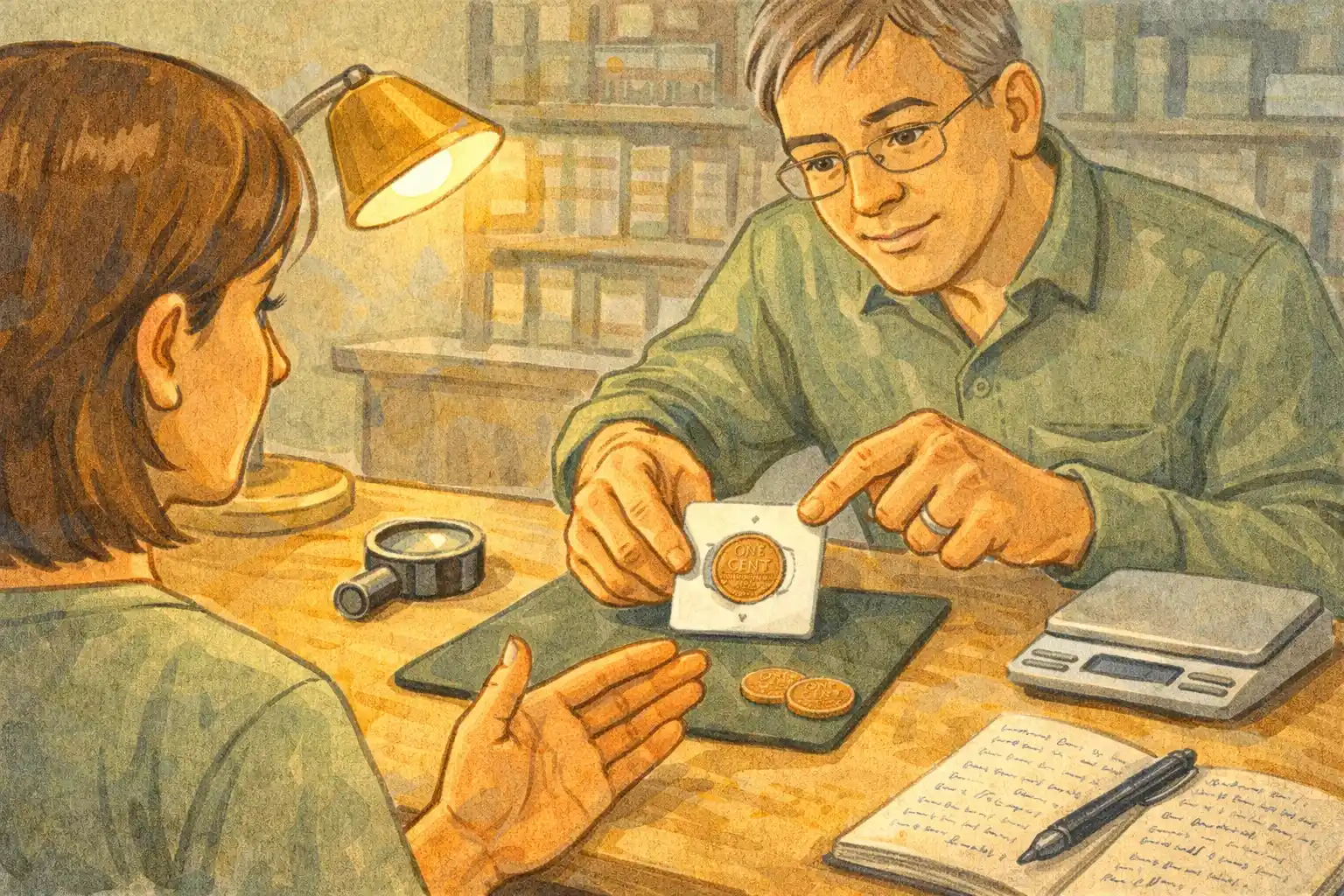
Trap #4: Ignoring Surface Quality Red Flags
Once past the date trap, most losses happen at the surface and packaging level. Wheat pennies are small, copper-based, and easy to manipulate. Many problem coins look attractive at first glance and fail only under close inspection.
Copper tells the truth over time. When it has been altered, the signs remain.
Common indicators of cleaned or doctored wheat pennies:
Parallel hairlines running in one direction
Bright, unnatural red color on older coins
Lack of cartwheel luster when tilted under light
Dark residue near letters or rims
Some sellers polish coins to mimic a Red (RD) designation. This can turn a modest-value coin into an expensive mistake. Once cleaning is detected, grading services label the coin as “Details,” cutting market value sharply.
Always inspect:
Fields near Lincoln’s cheek and jaw
The reverse wheat lines
The rim edges for tool marks
If a seller discourages magnification or detailed photos, move on.
Trap #5: Trusting Counterfeit or Misleading Slabs
Fake slabs have become more common as wheat penny prices rose. These are not crude fakes; they are designed to fool casual buyers.
Warning signs of fake or altered holders:
Blurry fonts on the label
Incorrect spacing or logo placement
Poor-quality holograms
Inconsistent serial numbers
Authentic PCGS and NGC holders have sharp printing and verifiable serials. Always check the certification number on the grading service’s website before buying.
Be especially cautious with:
“Too cheap” 1909-S VDB slabs
Raw coins described as “cracked out of holders”
Online listings using stock photos
Trap #6: Auction and Bulk-Lot Illusions
Online auctions amplify hype. Phrases like estate find, grandpa’s collection, or unsearched lot trigger impulse buying.
Common bulk-lot problems:
Mostly common dates
Mixed grades with hidden damage
No return options
Uncirculated claims without grading rarely hold up. Many bulk sellers rely on volume, not accuracy.
Basic authenticity checks still apply:
Weight: pre-1982 copper cents around 3.11 g
Magnetism: only 1943 steel cents stick
Diameter: consistent across genuine issues
Tools like Coin ID Scanner help here by identifying coins from photos and showing realistic market ranges, making inflated auction prices easier to spot before bidding.
Trap #7: Overpaying for Problem Coins
Bent, corroded, spotted, or PVC-damaged wheat pennies often appear discounted—but not enough.
Problem coins:
Rarely recover value
Are harder to resell
Do not upgrade with time
Green PVC residue is especially destructive. Left untreated, it spreads and permanently etches copper surfaces.
Serious collectors avoid problem coins unless:
The date is extremely rare
The price reflects heavy discount
The issue fills a temporary slot
Most wheat penny traps are visual and psychological, not historical. Shine, slabs, and storytelling distract from fundamentals.
Trap #8: Using the Wrong Storage Materials
Even well-chosen wheat pennies can lose value if handled or stored incorrectly. The final set of traps appears after the purchase, when enthusiasm fades and discipline slips.
Copper is unforgiving. Improper storage damages coins slowly and permanently.
Common storage mistakes include:
PVC flips that release acids over time
Cheap soft plastics that turn copper green or sticky
Humid environments that accelerate corrosion
Once PVC residue appears, value drops fast and rarely recovers.
Smart alternatives:
Inert 2×2 cardboard holders
Archival-quality album pages
Hard plastic capsules for higher-grade coins
Store coins in a cool, dry place. Avoid frequent handling. Natural patina beats artificial shine every time.
Trap #9: Hoarding Common Dates With No Upside
Many collectors accumulate rolls of circulated wheat pennies hoping time alone will raise prices. It rarely does.
Reality check:
Common circulated wheats trade near copper melt value
Melt value stays around $0.02–$0.03 per coin
Storage and resale costs erase gains
Quantity does not replace quality.
A smarter approach:
Fewer coins
Higher grades
Verified scarcity
One properly graded MS65 key date outperforms hundreds of worn commons over time.
Trap #10: Skipping Research and Patience
Impulse buying is the most expensive habit in numismatics.
Before any purchase:
Check Greysheet or CoinWeek pricing
Compare multiple recent sales
Wait for realistic opportunities
Patience often reveals better examples at lower prices. Even classic keys like the 1909-S VDB surface regularly in honest VF condition below inflated asking prices when buyers stay selective.
Building a Safer Wheat Penny Strategy
A disciplined collection follows clear rules:
Focus on certified key and semi-key dates
Buy the best condition you can afford
Avoid cleaned or problem coins
Track purchases and grades digitally
Tools like Coin ID Scanner help here by logging verified wheat pennies against specifications like weight, edge, and composition, reducing duplicate buys and flagging inconsistencies before money is spent.
Most wheat penny losses are avoidable. The traps repeat: shiny surfaces, emotional dates, fake slabs, and careless storage. Successful collectors slow down, verify everything, and buy fewer coins with stronger fundamentals.
Avoid the noise. Respect condition. Let patience work. That approach turns wheat pennies from nostalgia pieces into a collection that holds its ground over time.